- The Venture Catalyst
- Posts
- The Venture Catalyst
The Venture Catalyst
🥸 Brainrot and Sigma Boys

The Venture Catalyst
December 27, 2024
🧠 There are a lot of words that can be used to describe 2024, some which would make more sense than others. But the one word that deserves it most of all is “brainrot”. Crowned, by public vote, as the Oxford Word of the Year 2024, brainrot refers to the mental mush that our noggins become after seeing too many reels with skibidi toilet in them. With a 230% rise in usage, the term has become a viral hit, especially with Gen Z and Gen Alpha (the true sigmas) and with the way things are going, it doesn't look like the term will be dying out anytime soon.
MARKET BUZZ
BRIEFING BOARD
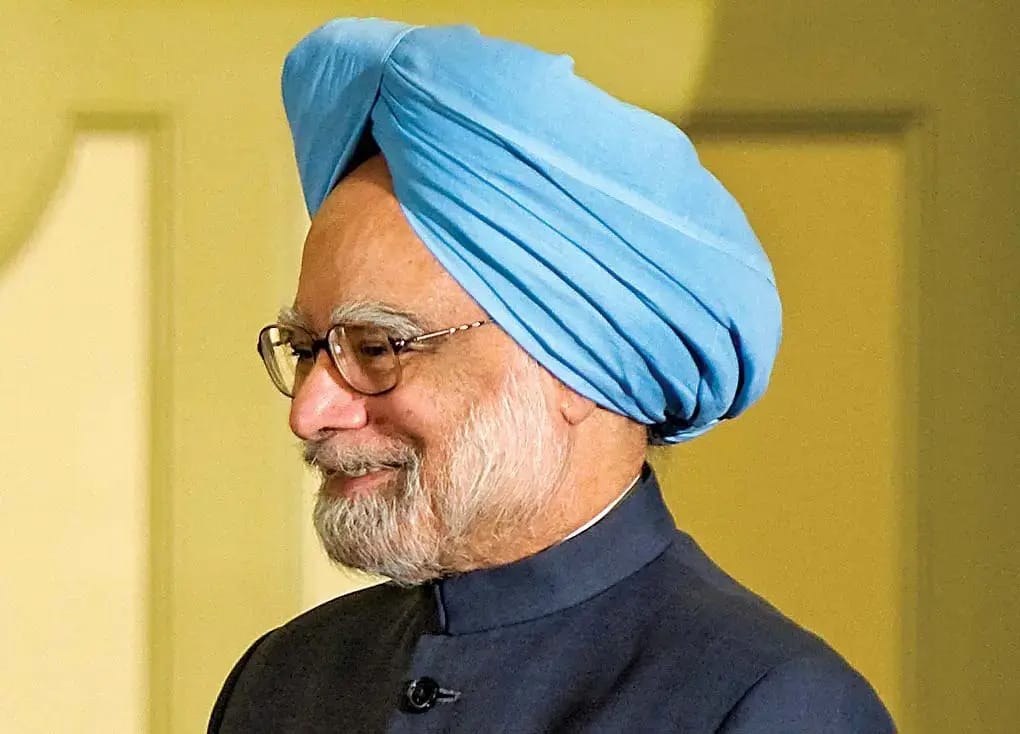
Credit: avenuemall.in
🇮🇳 Dr. Manmohan Singh, former Prime Minister of India and a visionary leader, passed away at 92, leaving behind a legacy of transformative leadership and economic reform. Known as the architect of India’s 1991 liberalization, he introduced pivotal policies like MGNREGA, the Right to Information Act, and the National Food Security Act. A distinguished economist, Dr. Singh’s journey from a small Punjab town to Cambridge and Oxford showcased his supreme brilliance. Honored with the Padma Vibhushan, he also served as RBI Governor and Finance Minister. A statesman of humility and intellect, his contributions will forever inspire a grateful nation.
🌶️ The hotter it is, the less spicy things become. Climate change is reshaping chili peppers, long prized for their fiery heat. Extreme weather—droughts, floods, and erratic rainfall—has disrupted production across major chili-growing regions like Southeast Asia, Mexico, and China. These conditions dilute the capsaicin responsible for spiciness while increasing costs and reducing yields. Farmers struggle with unpredictable weather patterns, and efforts to breed climate-resilient varieties face the challenge of preserving the peppers’ unique flavors. As the global chili trade, valued at $9 billion annually, feels the impact, scientists warn this is a long-term trend threatening the spice’s legacy and the cultural traditions tied to it.
🎅🏻 The S&P 500 delivered its biggest Christmas Eve rally in 50 years on Tuesday, soaring 1.1% in a shortened trading session that marked the start of the Santa Claus rally period. Tesla led the charge with a 7.4% gain, followed by strong performances from Netflix, Starbucks, and Walmart. The rally, which saw over 90% of S&P stocks rise, came on the lightest trading volume since 2011, with no major economic or earnings catalysts. Historically, the Santa Claus rally spans the final five trading days of the year and the first two of the next, averaging a 1.3% gain since 1950.
💰 As a somewhat pleasant surprise, the Indian Govt. is considering cutting personal income tax for individuals earning up to ₹15,00,000 annually in the Union Budget 2025 to boost consumption amid a slowing economy. The move aims to encourage more people to opt for the simpler 2020 tax system, which offers lower rates but removes major exemptions. The tax system would tax income from ₹3,00,000 to ₹15,00,000 at 5%-20%, while higher earners pay 30%. With rising inflation and slow economic growth, the tax cut is expected to ease the middle-class burden and stimulate demand, despite potential revenue losses.
CORPORATE MISSTEPS
WEWORK’S FAILED IPO

Credit: wired.com
WeWork's attempt to go public marked a significant moment in corporate governance and market efficiency. The company's decision to withdraw its IPO filing in September 2019 followed intense scrutiny over its business model and governance practices, ultimately revealing deep-seated flaws within the organization. The fallout from this failed IPO serves as a cautionary tale about the importance of transparency and sound management practices in attracting investor confidence.
Prior to the withdrawal, WeWork faced mounting criticism regarding its unsustainable business model characterized by long-term lease obligations paired with short-term subleasing strategies. Analysts highlighted concerns about excessive valuations and operational inefficiencies that raised red flags for potential investors. The situation culminated in the ousting of founder Adam Neumann and significant restructuring efforts aimed at stabilizing the company. Despite attempts at recovery following the failed IPO, WeWork continued to struggle with financial instability, culminating in a bankruptcy filing listing nearly $19 billion in debts as of late 2023.
This trajectory emphasizes how critical it is for companies to maintain robust governance frameworks and realistic growth projections when seeking public investment. The lessons learned from WeWork's experience resonate throughout the startup ecosystem, underscoring the need for accountability and prudent financial management. As investors become more discerning about where they allocate capital, companies must prioritize transparency and sustainable growth strategies to build trust and ensure long-term viability in an increasingly competitive market landscape.
EXPERT EDGE
Systems Theory: A Holistic Approach to Organizational Success

Credit: easy.bi
Systems theory, developed by biologist Ludwig von Bertalanffy, views organizations as complex, interconnected systems. Unlike traditional approaches that focus on individual departments or tasks, systems theory emphasizes how each component within a business interacts with others. The theory suggests that organizations are open systems, meaning they constantly interact with external forces—customers, competitors, and market trends—and must adapt to survive. Over time, this approach has shaped how companies manage operations, fostering collaboration and long-term success.
One of the most notable early adopters of systems theory was Ford Motor Company. By the 1980s, Ford faced growing competition from Japanese automakers and inefficiencies in its production processes. The company began viewing its operations as a unified system rather than isolated parts. Using systems thinking, Ford introduced Just-In-Time (JIT) inventory management, which transformed how the company handled production. Rather than stockpiling excess inventory, Ford coordinated their suppliers, production lines, and distribution channels. This coordination allowed them to reduce waste, improve efficiency, and respond quickly to market changes. The result? Ford reduced production costs by nearly 20%, and by the end of the 1980s, the company regained market share and competitiveness. Ford’s systems approach also led to collaboration between different departments—manufacturing, procurement, and logistics—leading to smoother communication and innovation across the board. The impact was profound, helping Ford stay competitive and reduce time-to-market for new models.
Today, Google stands as a perfect example of systems theory in action. Google operates as an open system, continuously interacting with its environment, from market trends to user data. Google’s success depends on integrating different parts of its business—search engines, advertising, and cloud services—into one cohesive system. Internally, Google uses cross-functional teams, bringing together engineers, designers, and marketers to work on products. This approach allows Google to innovate rapidly. For instance, Google Maps integrates data from multiple sources—traffic systems, geographic data, and real-time user input—to provide up-to-date, accurate information. This real-time data flow across different systems shows how interconnectedness within Google’s operations allows it to deliver exclusive services. As a result, Google has achieved shocking growth. From 2007 to 2019, its advertising revenue shot up from $16 billion to over $134 billion; a witness to how the company's systemic integration of services like YouTube, Gmail, and search made its advertising business so effective.
Initially focused on manufacturing, systems theory has evolved to suit today’s fast-paced, globalized world. It now plays a significant role in industries like tech and logistics, where interconnected processes are important for innovation and adaptability. Companies have learned that success comes from optimizing the whole system rather than focusing individual components along with encouraging cross-departmental collaboration and rapid responses to market changes.
Systems theory has shaped how organizations operate, from Ford overhauling its manufacturing systems to Google’s data-driven innovation. By viewing their operations as interconnected systems, these companies were able to boost efficiency, enhance collaboration, and achieve sustainable growth.
Congrats on making it this far, here’s a taco for your troubles 🌮