- The Venture Catalyst
- Posts
- The Venture Catalyst
The Venture Catalyst
🤝 Deals, Steals, Feels

The Venture Catalyst
December 20, 2024
🪳Here’s an interesting fact. As unappetizing as it may sound cockroaches are making a surprising impact in the pharmaceutical industry. Researchers have been exploring the anti-carcinogenic properties of cockroaches, particularly focusing on extracts that may hold potential for treating serious illnesses like cancer and AIDS. So the next time you take your chappal to smack one down, just know, that they may save your lives one day.
MARKET BUZZ
BRIEFING BOARD
Credit: motor1.com
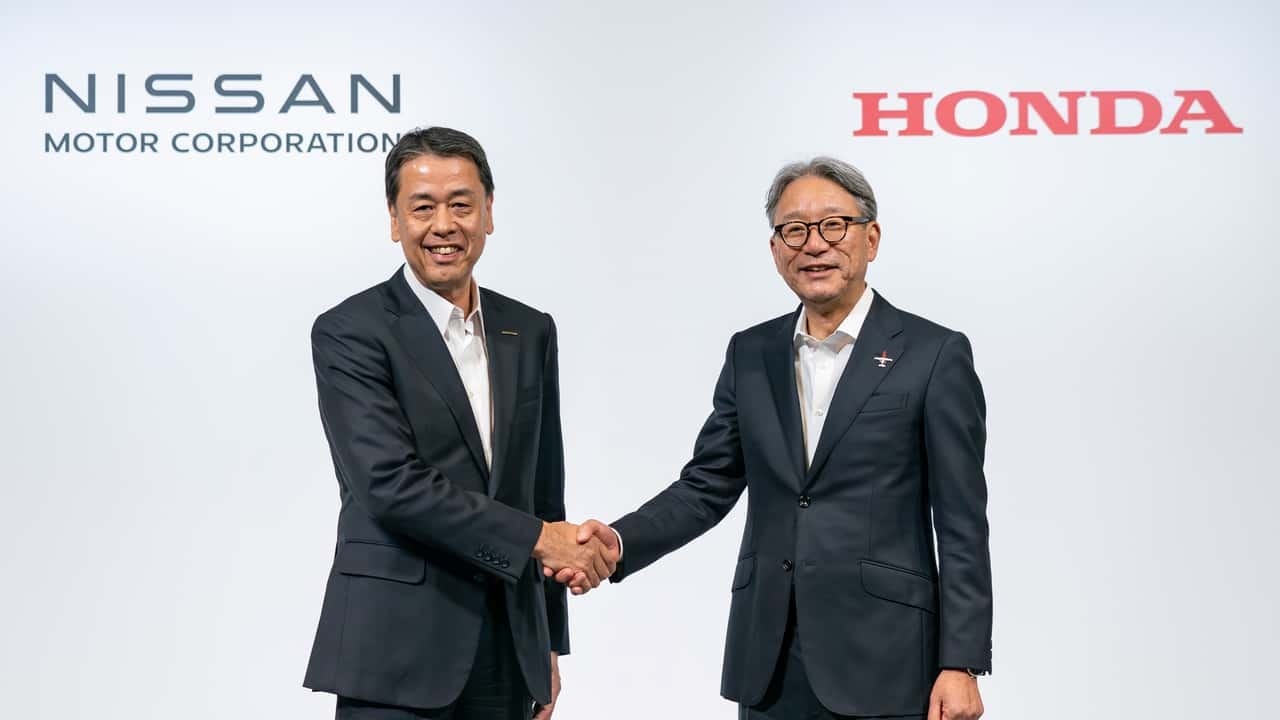
🚗 Nissan-Honda merger talks could reshape the auto industry. Nissan, Honda, and Mitsubishi are exploring a potential merger to combat competition from Chinese EV makers and adapt to the shift toward electrification. A merger could create a $55 billion giant, helping the companies scale up to compete with Toyota and Volkswagen. While Nissan brings EV expertise and large SUVs, Honda could leverage these strengths for its future lineup. Pressures like affordability shifts, U.S. tariff threats, and financial woes are accelerating talks. Despite challenges, the merger could position the automakers better in an evolving market.
🏦 Fed lowers rates amid caution on future cuts. The Federal Reserve reduced its key interest rate by 0.25% to 4.25%-4.5%, marking its third consecutive cut. While inflation remains above target and GDP growth projections for 2024 rose to 2.5%, Fed Chair Jerome Powell signaled caution, with only two more cuts likely in 2025. The move, paired with a dissenting vote from Cleveland Fed President Beth Hammack, triggered market turbulence, with stocks plunging and Treasury yields surging. Powell defended the decision as necessary to recalibrate policy, emphasizing the need for caution in future rate adjustments.
🍏 Apple is exploring partnerships with Tencent and ByteDance to integrate local AI models into iPhones sold in China, as ChatGPT remains unavailable due to regulatory restrictions. These discussions, still in early stages, aim to address declining market share in China, where competition from domestic players like Huawei is intensifying. Huawei’s AI-enabled Mate 70 series has surged in popularity, with its smartphone sales climbing 42% in Q3, while Apple’s dipped 0.3%. This move could bolster Apple’s AI presence in a market where domestic brands are rapidly gaining ground.
👨🏻⚖️ The US Supreme Court is to hear TikTok’s appeal on looming ban. The Supreme Court agreed to review TikTok’s challenge to a law requiring its Chinese owner, ByteDance, to sell the app or face a U.S. ban by Jan. 19. TikTok claims the law, part of the Protecting Americans from Foreign Adversary Controlled Applications Act, violates First Amendment rights. The Biden administration defends it on national security grounds, citing risks of data access and content manipulation by China. Oral arguments are set for Jan. 10, with a swift ruling anticipated before the law takes effect.
CORPORATE MISSTEPS
THE DEEPWATER HORIZON SPILL

Credit: cen.acs.org
BP (British Petroleum) Plc is a British multinational oil and gas company headquartered in London. It is a vertically integrated company operating in all areas of the oil and gas industry, which include exploration, extraction, refining, distribution and marketing, power generation, and trading. BP traces its origin back to the inception of Anglo-Persian Oil Company in 1909 and is one of the leading giants in the modern global oil and gas industry.
On April, 2010 the world witnessed the largest marine oil spill in history caused by an explosion off the coast of Louisiana in the Deepwater Horizon oil rig located in the Gulf of Mexico, which was chartered to BP from March 2008 to September 2013. The environmental, economic, and health effects of the spill were devastating and far-reaching. It released massive amounts of oil into the sea and resulted in the sinking of the rig. Economically, the spill adversely impacted fisheries and tourism industries and cost Gulf Tourism, an estimated revenue of $22.7 billion.
Environmentally, the oil and chemicals contaminated 3,000 miles of beaches and wetlands, disrupting the marine ecosystem and attractions. Health-wise, severe health issues ranging from heart damage and stunted growth to death were observed in the surrounding regions as a result of increased exposure to toxic compounds. In response, BP released a fleet of vessels, skimmed the oily surface water, made use of protective booms (temporary floating barriers used to contain marine spills) to steer the oil away from the shores, and incorporated chemical dispersants to break up oil from damaging marshes, mangroves, and beaches.
BP faced legal and regulatory actions after being held responsible for the spill. The company was fined $4 billion and was required to compensate for the damages caused by the spill. However, the spill highlighted the need for improved inspection and management of offshore drilling operations and better safety regulations. It also brought into the limelight the need for effective and efficient response capabilities to deal with ecological disasters.
EXPERT EDGE
A FRAMEWORK FOR SUCCESS

Credit: linkedin.com
Peter Drucker’s “Theory of Business” is a clear-cut strategy for organizations to understand their purpose and adapt to the changing dynamics accordingly. According to Drucker, businesses succeed when their assumptions about the environment, mission, and core competencies align with reality. If these assumptions become outdated, the organization might face failure. By looking at companies that have applied this theory, we can see how it leads to success.
A well-known example of Drucker’s theory in action was General Motors (GM) in the 1940s. At the time, GM was successful but faced challenges due to its rigidity as its business structure was centralized. Drucker’s analysis, revealed GM’s need to decentralize in order to empower individual divisions to make decisions. By aligning with Drucker’s ideas, GM became more flexible and responsive to market changes. This shift led to a 15% revenue increase in five years, and by 1955, GM’s sales exceeded $10 billion, making it one of the world’s most profitable companies. Drucker’s theory helped GM maintain its dominance in a changing industry.
A more modern example would be Netflix. Initially built on DVD rentals, Netflix recognized the shift toward streaming and adjusted its assumptions. By investing in technology and content creation, Netflix realigned its mission to focus on streaming and original content. This resulted in massive growth, with subscribers rising from 23 million in 2011 to over 167 million by 2019. Netflix’s stock price surged by over 4,000% in the same period. By reassessing its environment and competencies, Netflix became a global leader in entertainment, with a valuation exceeding $230 billion by 2020.
Drucker’s theory emphasizes the importance of continuously reevaluating assumptions about the market. GM’s success through decentralization and Netflix’s rise in the digital age highlight how adapting to change ensures long-term relevance. The financial impact is clear: GM’s mid-century market dominance and Netflix’s modern-day success show how Drucker’s principles can drive growth. In today's fast-paced business environment, his theory reminds companies to stay agile, continuously evaluate their assumptions, and adapt to survive and thrive in an evolving marketplace.
Congrats on making it this far, here’s a cookie for your troubles 🍪