- The Venture Catalyst
- Posts
- The Venture Catalyst
The Venture Catalyst
📬 Festive Frenzy

The Venture Catalyst
November 01, 2024
Happy Diwali! 💥🎉
As you light up those diyas and munch on way too many sweets (no judgment from us!), dive into our latest articles for a little inspo to fuel your entrepreneurial spirit. May your ideas be as bright as the Diwali lights and your projects as sweet as ladoos! Here’s to a brilliant, booming, and slightly over-the-top Diwali!
MARKET BUZZ
BRIEFING BOARD

Credit: bbcgoodfood.com
🪔 The festive season has boosted consumer sentiment in India, with Dhanteras sales delivering a much-needed lift across sectors. In spite of the higher gold prices, buyers flocked to jewelry stores like Tanishq, driving up sales of gold coins, jewelry, and diamonds, with organized retailers expecting to surpass last year’s numbers. Car companies, including Maruti Suzuki, Hyundai, Tata Motors, and JSW MG, reported a strong demand for their products. Deliveries hit between 40,000 and 42,000 units for Maruti Suzuki alone. There was also a significant increase in the sales of premium electronics, from large-screen TVs to the new iPhone, with brands like Panasonic and Apple recording double-digit growth.
🇨🇳 China is set to approve over $1.4 trillion in extra debt in the coming years to revive its struggling economy. The stimulus, equating to over 8% of China’s GDP, will primarily aid infrastructure and alleviate financial pressure on property developers. The package will be adjusted in the future, depending on the outcome of the U.S. presidential election. If Trump were to win, Beijing will have a stronger response due to the heavy tariffs they might face. The package also includes 4 trillion yuan in special-purpose bonds for land and property acquisitions as well as additional funds for consumption and state bank capital injections. However, the stimulus is still smaller than the 2008 package, signaling a cautious approach to economic recovery.
🍎 Apple’s iOS 18.1 introduces Apple Intelligence, bringing features like text-to-Siri, summarized notifications, Writing Tools, and more. Available on the latest iPhones and iPads with A18 Pro and M1 chips, Apple Intelligence focuses on privacy with on-device AI processing. Siri gains new capabilities, including handling complex, natural language requests and allowing users to type queries. More features, including AI-powered image creation and generative emojis (Genmojis), are expected in late 2024, with additional upgrades planned for 2025.
🏧 JPMorgan Chase is suing customers who allegedly exploited an ATM glitch to withdraw large sums before checks bounced, with lawsuits filed against individuals in Houston, Miami, and California after the so-called “infinite money glitch” went viral on social media in late August. In one case, a Houston customer reportedly owes $290,939 after an accomplice deposited a counterfeit $335,000 check. JPMorgan is investigating thousands of similar cases but hasn’t disclosed total losses. Normally, banks only release part of a check’s value until it clears, but JPMorgan closed this loophole shortly after discovery. The bank is demanding the return of funds with interest and fees, and may pursue criminal charges as cases have been referred to law enforcement.
CORPORATE MISSTEPS
THE VOLKSWAGEN EMISSION SCANDAL
Credit: cnn.com
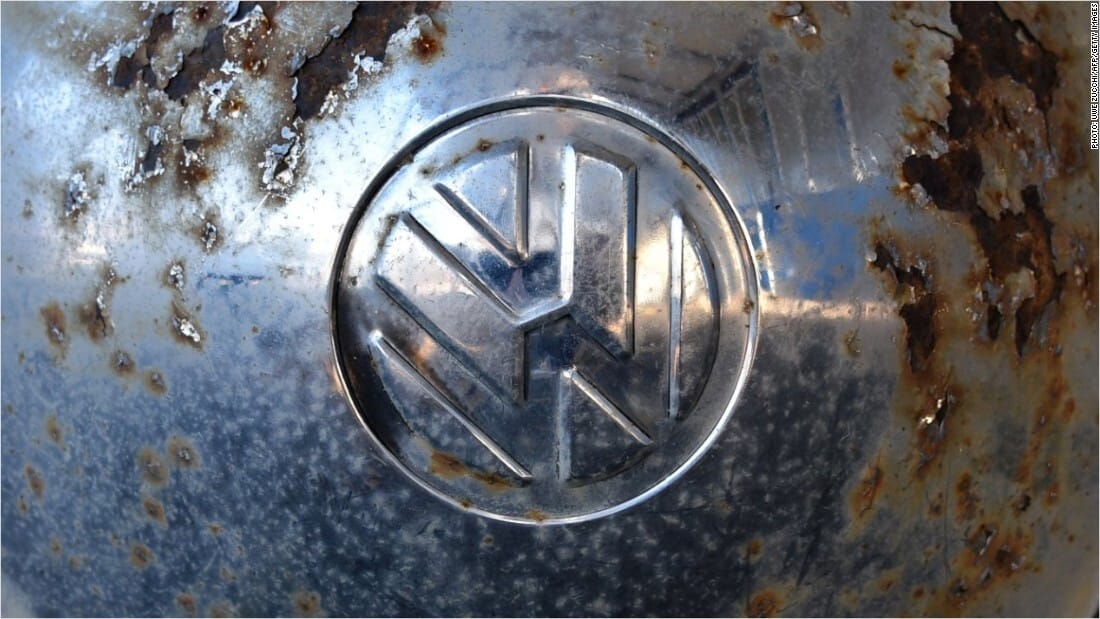
The most infamous corporate deception in recent history involves the Volkswagen emissions scandal, popularly known today as "Dieselgate." In 2015, it erupted when the U.S. Environmental Protection Agency (EPA) discovered that Volkswagen used advanced software in some of its diesel vehicles to evade emissions tests. The "defeat device" caused the cars to continue decreasing their NOx (Nitrogen Oxides) emissions into regulatory limits while they were being tested.
These were vehicles which, under normal driving conditions, emitted pollutants that were up to 40 times larger than allowed by the regulations on legal NOx limits. NOx is known to be responsible for respiratory diseases and environmental degradation. Volkswagen had sold these cars as "clean diesel," touting them as "greener" than hybrid or electric vehicles. This deception involved nearly 11 million cars sold around the globe through popular lines like the Jetta, Passat, and Audi A3. The company had so convincingly sold the idea of making environmentally friendly vehicles that the revelations were devastating.
The retribution for Volkswagen came immediately and in earnest. Volkswagen stock plummeted by more than 30% over just a few days. In addition to losing money, the firm received legal penalties from regulators, which included $25 billion in fines, vehicle buybacks, and settlements paid out in the United States. The company had to withdraw millions of vehicles sold worldwide for the purpose of emissions. Amid the scandal, the chief executive officer of the company, Martin Winterkorn, had resigned, and several other executives were implicated in the scheme. The firm was left with a life-long damaged reputation from the conduct by consumers and investors due to questionable ethical practices and commitment to environmental standards.
Beyond Volkswagen, the shock of the scandal is deeply felt within the auto industry itself. It triggers a series of probes into other manufacturers and enhances tighter regulation on emissions testing and compliance. It also re-opened debates on corporate responsibility and the environmental impact of diesel engines. In the final analysis, Volkswagen's emissions scandal acted as a very stern reminder of the risks that corporate greed poses and of the fact that businesses need checks on transparency and accountability.
EXPERT EDGE
RISK AND ITS APPLICATIONS
Credit: ppsthane.com
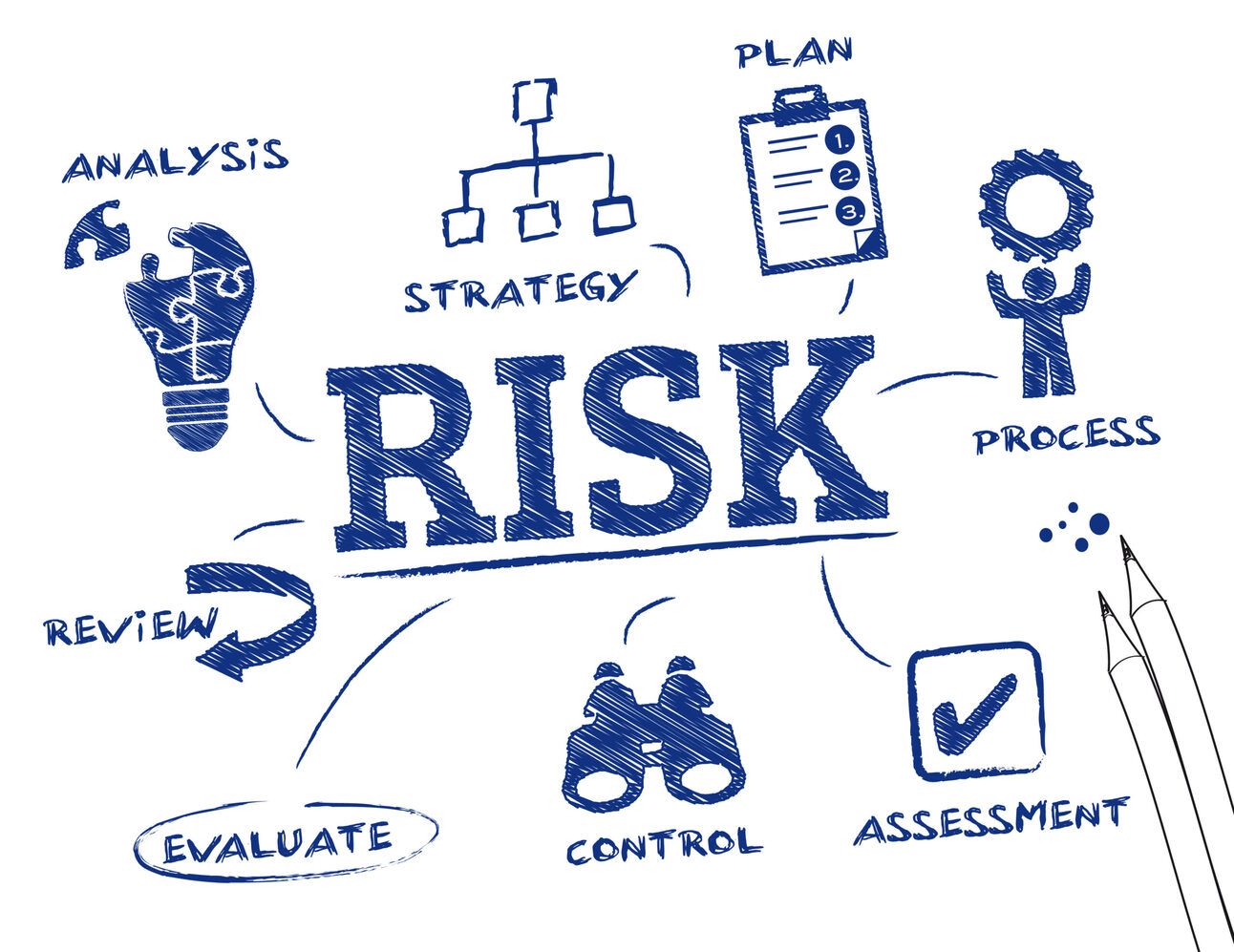
Risk is the chance of a negative event occurring in various uncertain arenas, including finance, health, or ordinary decision-making processes. To be more precise, risk is the potential for losing or harming an expected outcome because of an uncontrolled or unanticipated event. In finance, risk often refers to the uncertain outcome of an investment, such that possible gains must be traded against possible losses. The main types of risk consist of market risk, credit risk, and operational risk.
Risk can be measured using various different tools: standard deviation, measuring how volatile the return of an investment is, or value-at-risk (VaR), which is an estimate of maximum loss over a given period. More sophisticated ones invoke methods from modern portfolio theory and involve statistical distributions to compute the probability and impact of a collection of risk factors.
Managing risk encompasses reducing potential losses and at the same time maximising returns. The reduction may be induced through diversification, hedging, and insurance. Diversification entails spreading investments in various asset classes to limit the exposure to an individual risk; hedging involves using derivatives such as options to hedge against losses; and finally, insurance transfers some risks to others in the form of coverage against particular forms of uncertainty.
Effective risk management combines quantitative modelling with the awareness of so-called "wild" risks-those for which predictions will turn out to be wrong-resulting in seldom-seen, extreme consequences. The combined use of analytical tools with actual strategies permits firms and individuals to venture into uncertain terrain, seeking to protect against some detrimental consequence.
Risk is an inherent part of the decision-making process, especially in finance where losses and gains on either side are likely. Knowledge of how to calculate and deal with the risks is therefore very important while operating in such environments.